





November 12, 2026: The Total-THC Rule That Reshapes What a Hemp Product Can Legally Be
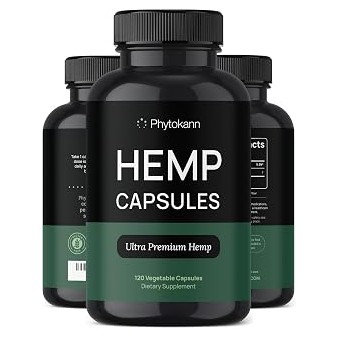
If you buy hemp-derived CBD, the most consequential date on the calendar is 12 November 2026. Under Section 781 of the continuing resolution enacted in late 2025, federal law shifts from defining hemp products by their delta-9 THC content to defining them by total THC — and caps consumable hemp products at 0.4 milligrams of total THC per container.
That is a far tighter constraint than the familiar 0.3 percent dry-weight threshold, and it is measured per container rather than by concentration. The US Hemp Roundtable's estimate is that it would remove roughly 95 percent of products currently on the market. Whether or not that figure proves exact, the direction is unambiguous: a large share of what is sold today will not be lawful in its current formulation.
Congress has not settled the question. The House advanced a farm-bill package in 2026 that separates industrial hemp — fiber and grain — from cannabinoid production and routes the latter into a stricter lane; the intoxicating-hemp ban emerged from committee markup untouched. Separately, HR 7212, introduced 22 January 2026 by Rep. Morgan Griffith, would instead build a comprehensive FDA regulatory framework for cannabinoid hemp products rather than banning them.
For consumers the practical advice is unchanged but more urgent: buy from sellers who publish a current certificate of analysis matching your batch, read the total-cannabinoid line and not just the delta-9 line, and expect product lines to change. These statements have not been evaluated by the Food and Drug Administration. CBD products are not FDA-approved to diagnose, treat, cure, or prevent any disease.
Sources: Arnold & Porter — federal regulation of hemp-derived products; Vicente LLP — 2026 federal hemp ban; FDA — cannabis and CBD regulation